Blink and It’s Gone: The Joke Drop Rewriting Creator Merch in 2026
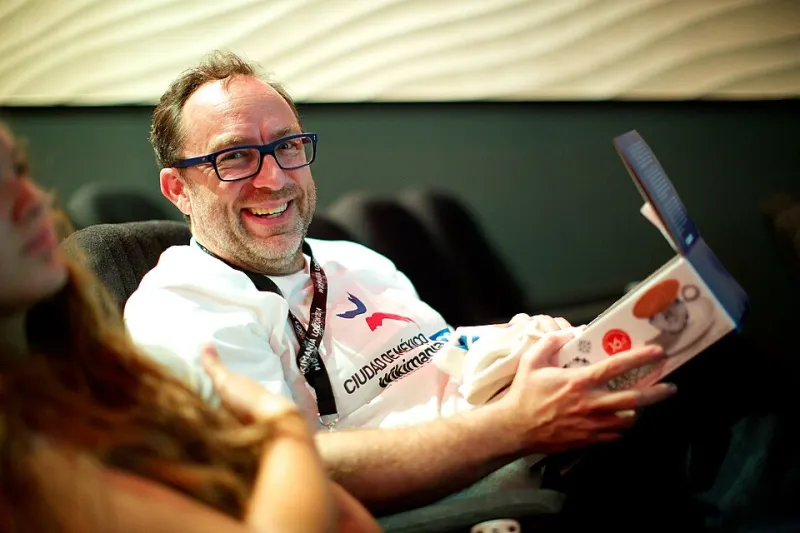
Photo: Sebastiaan ter Burg, CC BY 2.0, via Wikimedia Commons
On a Tuesday night, a creator mentions a deeply stupid phrase in a Discord voice chat. By Wednesday morning, there’s a mockup. By Wednesday afternoon, there’s a countdown link. By Friday, the shirt is gone, the order window is closed, and the only people who own it are the ones who were paying attention. That’s the new creator merch cycle in 2026: less “shop the link in bio,” more “you had to be there, and also you had 48 hours.”
Evergreen merch isn’t dead. Plenty of creators still sell the same five hoodies until the heat death of the internet. But the more interesting shift is toward tiny, joke-specific drops that act like a group chat made physical. A catchphrase from a comment section. A cursed nickname from a livestream. A colorway that only makes sense if you watched a six-minute video about a broken air fryer. These drops aren’t trying to be a brand. They’re trying to be a receipt.
Event television for the group chat
A standard merch shop asks, “Do you like this creator?” A 48-hour drop asks, “Were you in the chat when this happened?” That’s a different question, and it changes the whole mood. Fans don’t stumble across these drops so much as get summoned to them. Creators tease them in broadcast channels, drop clues in Discord, post a blurry mockup on a Story, then open the link at a random time. The countdown isn’t decoration. It’s the plot.
For young US audiences raised on limited sneaker drops and concert ticket queues, this feels familiar but lower-stakes. You’re not camping outside a store. You’re setting an alarm for 7 p.m. ET, checking a password page, and texting your friend “it’s live.” The merch is often silly — a $28 tee, a $16 sticker pack, a $45 crewneck with one extremely niche sentence on the back. But the drop itself functions like appointment viewing. People show up for the reveal, the chaos, and the shared post-purchase flex of “I got one before it closed.”
Why small creators can actually pull this off
A few years ago, mini-drops were a logistical headache. You needed inventory, a warehouse corner, and a tolerance for boxes. In 2026, print-on-demand suppliers, small-batch manufacturers, and creator commerce platforms have made the 48-hour window realistic for someone filming in a bedroom in Columbus or a shared studio in Los Angeles. Many creators run 50 to 150 units, sometimes as preorders, sometimes as a small in-hand batch they ship themselves. The point isn’t volume. The point is the moment.
The smart ones treat the drop like a mini product launch. They order a sample first. They test the joke with a poll or a throwaway post. They keep the design hidden until the window opens so the reveal has weight. They use a plain product page instead of a full storefront, which cuts down on browsing and pushes people toward a decision. And they close the window on time, even if there’s demand left over. That last part is the whole trick: the deadline has to mean something, or the community stops believing the countdown.
The spoof-proofing problem
There’s a less charming side to all this. The second a design goes live, someone can screenshot it, upload it to a knockoff shop, and sell a worse version with shipping that takes six weeks. Small creators don’t have legal teams on standby, so they get scrappy. They watermark mockups, keep the full design off public pages until checkout, use buyers-only links, and lean on their communities to report copycats. Some add small hidden details — a misspelled word, an inside reference on the tag — that make fakes easier to spot. None of it is bulletproof, but it raises the effort level just enough to make stealing the joke less fun.
The other spoof-proofing move is social. A 48-hour drop creates a paper trail of who was around when it happened. The item’s value isn’t just cotton and ink. It’s the timestamp. That doesn’t stop counterfeiters, but it does give fans a reason to buy from the source instead of a random ad.
Scarcity as a social signal
The uncomfortable question is whether all this is just FOMO with a nicer font. Sometimes it is. But scarcity in 2026 isn’t only a sales tactic; it’s a community signal. A permanent store says “buy whenever.” A two-day drop says “this was for the people who were here.” For fans, that can feel like belonging. For creators, it’s a way to test ideas without betting the rent on a warehouse full of hoodies that nobody wants.
There’s a risk, of course. Too many drops and the feed starts to feel like a countdown-timer factory. Too much exclusivity and newer fans feel like they’re permanently late to the joke. The creators doing this well leave room for the next inside joke instead of milking the same one for a year. They keep the drops small, the prices reasonable, and the tone self-aware. The best ones feel like a bit, not a business plan.
What to watch next
Expect more of these micro-drops to act like mini-seasons: three drops tied to one running bit, a surprise restock only for people who joined the Discord, or an IRL pickup table at a micro-meetup. The storefront isn’t disappearing. It’s just getting shorter, weirder, and more personal. In 2026, the creator merch flex isn’t having a permanent shop. It’s having a joke so specific that 48 hours is all it needs.