The Split Sheet: How Creator Packs Are Turning One Brand Check Into Five Paydays
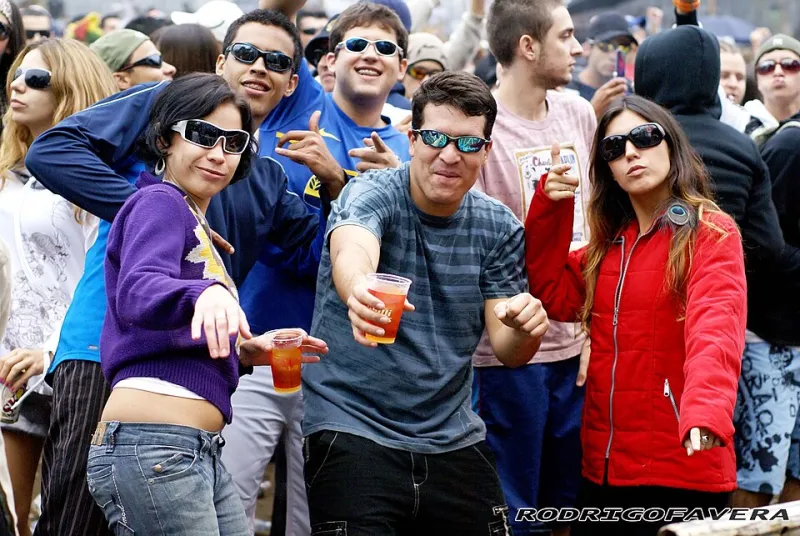
Photo: Rodrigo Della Fávera, CC BY 2.0, via Wikimedia Commons
The pitch used to be simple: one creator, one brand, one rate. In 2026, it is increasingly a group chat with a shared folder. A skincare label does not book a single mid-tier lifestyle account anymore. It books a pack: five creators, one deck, a combined rate card, and a content calendar that hits five different corners of the internet in the same week.
These mini-collectives are not agencies. They are not management companies. Most are three to seven creators who already know each other from comment sections, Discord servers, or the same brand-deal Slack group. They team up for a single campaign, pitch as a bundle, and split the check. Call it the group project economy. The name is unglamorous. The money is real.
Why the bundle works for brands
Advertisers like packages for the same reason streaming services like bundles: fewer decisions. A brand manager can brief one contact, approve one set of talking points, and get five pieces of content with different tones. The reach is not just bigger. It is more specific. One creator covers beauty routines, another covers budget home setups, a third makes comedy skits, and a fourth has a quiet ASMR audience that actually watches to the end.
The bundle also solves a production problem. If one creator gets sick, the package still ships. If one video underperforms, the others can carry the campaign. Brands are not necessarily paying less. They are paying for a cleaner spreadsheet and a lower chance of a last-minute cancellation. In a year when every platform is pushing collaborations and co-authored posts, a creator pack looks less like a trend and more like a sensible media buy.
The contract lives in a shared doc
The most successful packs treat the group chat like a small business. Before the pitch goes out, someone volunteers, or gets volunteered, to be the admin lead. That person builds the deck, sets the rate, handles the brand replies, and sends the invoice. In exchange, they usually take a 5 to 10 percent admin fee. If the fee is not discussed upfront, it becomes the first crack in the foundation.
The paperwork is boring and therefore crucial. A simple collaboration agreement should list the deliverables, deadlines, posting windows, exclusivity, usage rights, and payment schedule. Who gets paid when? Who approves the final cut? Can the brand run one creator's face in paid ads for 90 days, or does that cost extra? The group also needs a kill fee, a late-payment clause, and a clear rule for what happens if someone drops out.
Taxes matter too. If one creator receives the full check, they need a paper trail. Some packs form a shared LLC. Others have the brand pay each creator separately. Neither approach is wrong, but a Venmo transfer with the memo line dinner is not an accounting system. The admin lead should collect W-9s and keep a spreadsheet that shows the gross amount, the fee, and each creator's share. This is the least fun part of the group project economy. It is also the part that keeps the group together.
Money, credit, and the quiet fights
Splitting a deal evenly sounds fair until the deliverables are uneven. One creator might post a 60-second video, another might do three Stories and a photo set, and a third might host a livestream. The split should match the work, not the follower count. A smaller account with a hyper-engaged audience can be worth more to a brand than a larger account with passive views.
Credit is the other sensitive area. Every creator wants the tag, the link, and the permission to repost the work in their own portfolio. Brands often want one clean call to action. The pack needs to agree on how the partnership is labeled before the first post goes live. If one creator is positioned as the face of the campaign and the others are background noise, that should be priced in, not discovered in the comments.
Where the group project goes wrong
The failures are rarely dramatic. They are administrative. One person misses a deadline. Another goes quiet for three days. The brand assumes the bundle includes whitelisting, and the creators assume it does not. A member gets a separate offer from a competitor and accidentally violates an exclusivity clause. The admin lead burns out because they are doing 80 percent of the coordination for 10 percent of the fee.
The other risk is reputation. A pack is only as good as its weakest post. If one creator phones it in, the brand remembers the whole group. That is why the best collectives keep their pitches small, their contracts short, and their expectations painfully clear. They do not recruit someone just because they have a big following. They recruit someone who answers emails.
The middle class gets a team
The group project economy is not a friendship experiment. It is a response to a feed where individual reach is unstable and brand budgets are pickier. A solo creator has to be a writer, editor, salesperson, and accountant. A pack can divide those jobs. That is the appeal. It is also the trap. Without a shared doc, a fair split, and a credit plan, five creators can turn one brand deal into five separate headaches.
The ones who get it right are not necessarily the most famous. They are the ones who treat the group chat like a tiny company, with a rate card, a calendar, and a receipt for every dollar. The group project economy is growing in 2026 because it works. It just works best when nobody has to guess what they are getting paid.