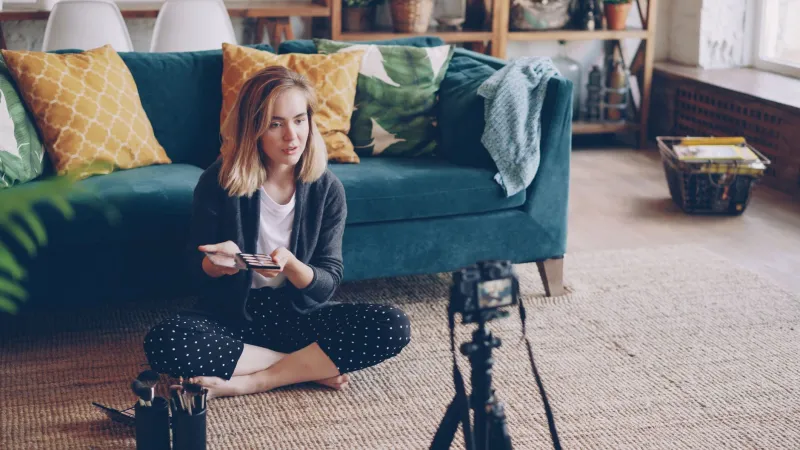
The 9 P.M. Lo-Fi Check-In: Why Unpolished Livestreams Are Appointment Viewing Now
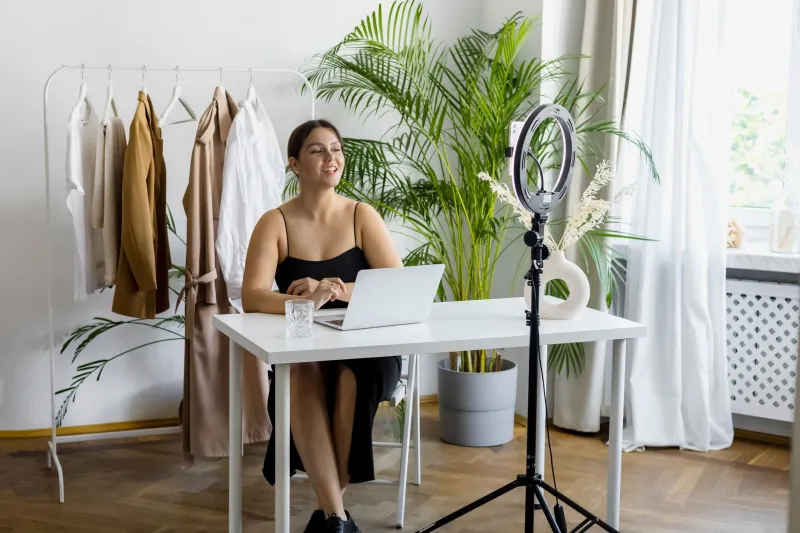
At 9 p.m. on a Tuesday, the screen is mostly a desk lamp and a half-finished glass of water. The creator is not in a studio. There is no cold open, no jump cut, no sponsor read with a smile that feels rehearsed. They just say, “Hey, I’m here for twenty minutes,” and a few thousand people settle in.
This is the new appointment TV, except the appointment is a livestream that looks like it was filmed by accident. In 2026, low-production live content is quietly becoming one of the most intimate corners of creator culture. Study-with-me streams, lo-fi chats, unedited Q&As, and late-night “I’m just folding laundry, come hang out” sessions are pulling audiences who are tired of being performed at.
The ritual of showing up
Polished uploads are designed to be watched. Lo-fi livestreams are designed to be joined. That distinction changes everything. A viewer does not need to give a 12-minute video their full attention, but a live stream invites them to open the app, leave it running, and do their own thing alongside the creator. The appeal is not the content itself. It is the company.
For young audiences who live alone, share apartments, or spend most of the day in a group chat that never quite becomes a room, that companionship has real value. A creator doing homework at the same time as the viewer is not a gimmick. It is a low-stakes way to feel less alone without the pressure of a social plan. The stream becomes ambient friendship: present, predictable, and easy to leave when it is time for bed.
Why polished uploads feel like homework
The highly produced video is still king for discovery. It is the thing that gets clipped, shared, and pushed to new viewers. But for the people who already follow a creator, the polished upload can start to feel like a performance review. Every frame is a decision. Every joke is timed. The audience knows they are watching a finished thing, and finished things do not leave much room for them.
Live content flips that. A creator who loses their train of thought, reads a comment mid-sentence, or admits they are tired is not breaking the illusion. They are removing it. The mess is the point. It signals that the person on screen is not a brand asset in that moment. They are just someone with a webcam and a schedule.
That is especially potent in a feed full of edits, filters, and second takes. The lo-fi stream feels like the opposite of optimization. It is not trying to go viral. It is trying to be there.
Loyalty in real time
The loyalty math is simple: viewers return to things that return to them. A weekly 20-minute check-in gives the audience a rhythm. They know when the creator will be on. They know the vibe. They know the chat will probably be full of regulars. Over time, that rhythm becomes a habit, and habits are much harder to break than a one-off video recommendation.
Creators are learning to protect that habit. They keep the same time slot. They use the same opening line. They answer a few questions from the chat, but they do not turn the stream into a customer-service desk. The best ones treat it like a hangout with boundaries: low pressure, clear start and end times, and no pressure to be “on” for the entire hour.
That consistency pays off in more than watch time. Live viewers are more likely to subscribe, join a membership, or send a small gift because they feel like they are part of the room. The intimacy creates a different kind of relationship than a comment on a pre-recorded video. It is closer to a standing phone call than a broadcast.
The money side
For a long time, live streaming was treated as a side door for creators who could not crack the algorithm. In 2026, it is becoming a real business line. Platforms are pushing live tools, creators are building memberships around regular streams, and brands are noticing that live audiences are small but sticky. A 20-minute stream might not pull millions of views, but it can pull the same people back every week — and those people are the ones who buy the merch, join the Patreon, and show up for the sponsored segment.
The revenue mix varies. Some creators rely on platform gifts and super chats. Others use live streams as a funnel for memberships, affiliate links, or digital products. A few are experimenting with brand-sponsored “study with me” sessions where the product is part of the background, not the main event. The common thread is that the money follows the ritual, not the other way around.
The mess is the product
The lo-fi stream is not an accident of low budgets. It is a deliberate choice to prioritize presence over polish. That does not mean it is easy. Keeping a live audience engaged for 20 minutes with no edits requires a different skill set: pacing, listening, reading the room, and knowing when to let silence sit. The creators who make it look effortless are usually working hard behind the scenes.
But the effort is invisible in the best way. The viewer does not see the prep. They see a person, a lamp, and a chat moving at a human speed. That is why the format works. It gives young audiences something the feed rarely offers: a place to be still, together.
What’s next
The appointment livestream is not replacing the polished upload. It is sitting beside it, doing a different job. One gets discovered. The other gets remembered. As more creators build their weeks around these low-key check-ins, the format will keep evolving — maybe into co-working streams, live book clubs, or late-night advice hours with no advice at all.
The through line is simple. People want to feel like they are somewhere with someone. In 2026, a dimly lit room and a creator saying “I’m here for twenty minutes” is enough.