Messy Apartments and Day Jobs: Why "Ordinary" Creators Are Running the Feed in 2026
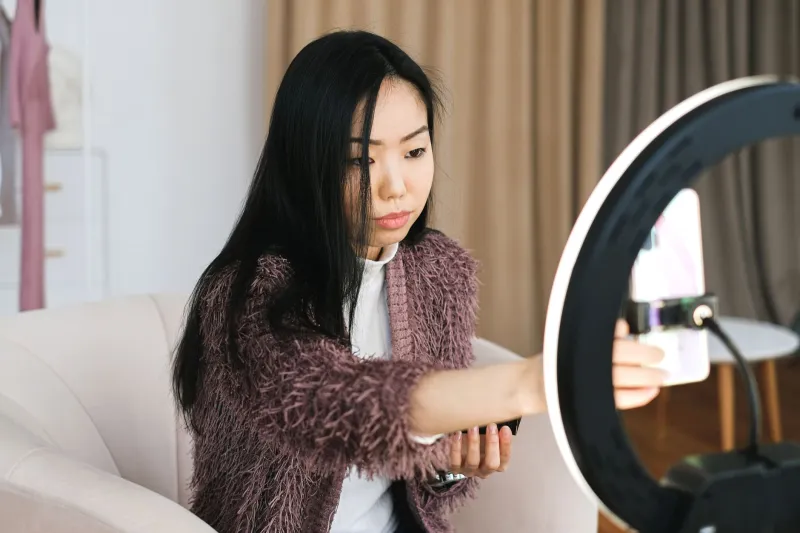
There is a specific kind of creator video that used to be the default setting of the internet: ring light, marble counter, a script delivered with the urgency of a hostage statement about a vitamin C serum. In 2026 that video feels less like aspiration and more like an infomercial for a life nobody is actually living.
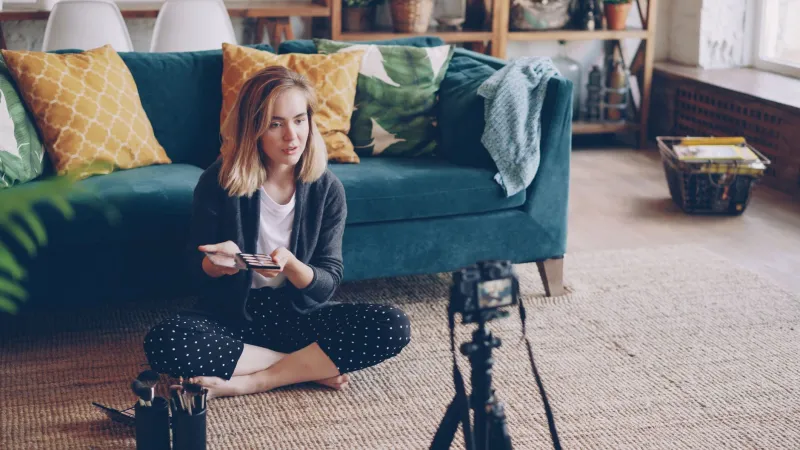
What lands instead is a woman in a bedroom with a laundry pile just inside the frame, clocking out of a shift at a hardware store, telling you in under forty seconds that the $14 moisturizer is fine and the $90 one is a scam. No set. No music cue. No apology for the mess behind her.
Audiences are not naive about this. A decade of aspirational lifestyle content trained them to spot the machinery — the undisclosed partnership, the rented Airbnb pretending to be a first apartment, the unboxing that is really a sales call. So they did what audiences always do when a format gets too legible: they moved.
The Briefs Actually Changed
Spend any time around US brand campaigns this year and you'll hear new vocabulary. "Day-job creator." "Low-follower partner." "Phone camera only, no studio lighting, mention your real job in the first five seconds." Agencies that used to hand over a shot list now hand over a prompt and get out of the way.
That shift is not purely creative. Nano and mid-tier creators are cheaper, they convert on TikTok Shop and affiliate links, and their audiences tend to buy because they trust the person rather than the production value. But there's a cultural engine underneath the spreadsheet: brands got tired of paying for a face that audiences had already decided not to believe.
Why Ordinary Reads as Trust
The research-y way to say it is that audiences use production quality as a proxy for persuasion. When a video looks expensive, viewers assume someone paid for it — and they discount the recommendation accordingly. When a video looks like it cost nothing, the recommendation feels like a favor between peers.
There's a second layer in 2026 specifically. Rent is still the main character of American life. Grocery totals are a conversation topic. Audiences are drawn to creators whose on-camera world matches the constraints off-camera — the same cramped kitchen, the same commute, the same "do I really need this" pause at checkout. It doesn't have to be grim. It just has to be real enough that the viewer doesn't feel managed.
What This Means for Your Personal Brand
If you're building something and hoping to ride this wave, the practical rules are less mysterious than they sound.
Show a constraint. A budget, a schedule, a small apartment, a job that starts at 6 a.m. Constraints create narrative. They also create series: a person with limited time has a built-in reason to post short, frequent updates.
Let your job be a character, not a confession. Your shift doesn't need to be a trauma dump. It needs to be a setting. The 10-minute break becomes the studio.
Refuse the anchor props. No ring light, no gimbal, no alarmingly tidy counter. The moment your feed looks like a set, you're back in the infomercial economy you were trying to escape.
Stay small if small is working. A few thousand people who actually watch is a better business than sixty thousand who scroll past. Brands are finally pricing that in.
Where Anti-Glamour Backfires
The trend has a failure mode, and it usually looks like performance in the other direction. Poverty cosplay. Creators with healthy incomes staging a warped apartment door for sympathy. "Messy" as an aesthetic rather than a fact, complete with a lighting setup to make the mess look cinematic.
Audiences sniff that out fast, and the punishment is disproportionate — because the whole appeal of the ordinary creator is the belief that you're not being sold a character. Break that, and you don't just lose a sponsorship. You lose the premise.
There's also a quieter failure: creators who start genuinely ordinary, get successful, and then keep pretending nothing changed. The audience is fine with the money. They're not fine with the pantomime. The move is to narrate the change out loud instead of hiding it — the new apartment on camera, the guilt about it, the whole thing.
And finally: ordinary is not the same as mediocre. The reason the hardware-store video works is that the line was good, the cut was clean, and the person had something to say. Anti-glamour is a style choice, not a substitute for craft.
The Part Nobody Says Out Loud
The polished lifestyle star is not gone. She's just no longer the default. What's replacing her isn't a single new archetype — it's a looser, scrappier middle where a person with a day job, a phone, and a specific point of view can out-earn a production studio.
That should be a relief for anyone starting out this year. You don't need the apartment, the light, or the sponsor. You need the line. The rest of it — the messy frame, the visible shift schedule — just tells the audience you're telling the truth.