Receipts, Group Chats, and 15-Second Confessions: The 6 Internet Formats We Keep Replaying in 2026
Every creator chases the same thing until they learn better: the big spike. One video, ten million views, a week of chaos, then silence.
The formats below don't work like that. They get watched twice, three times, sometimes on purpose. Replay is a different metric — it's completion, it's saves, it's the viewer circling back at 1 a.m. because the thing was short enough to live in their head. Platforms love it, brands are starting to pay for it, and creators who build for it stop riding waves and start owning one.
Here's the 2026 ranking, from least to most rewatchable.
6. The Receipt Reveal
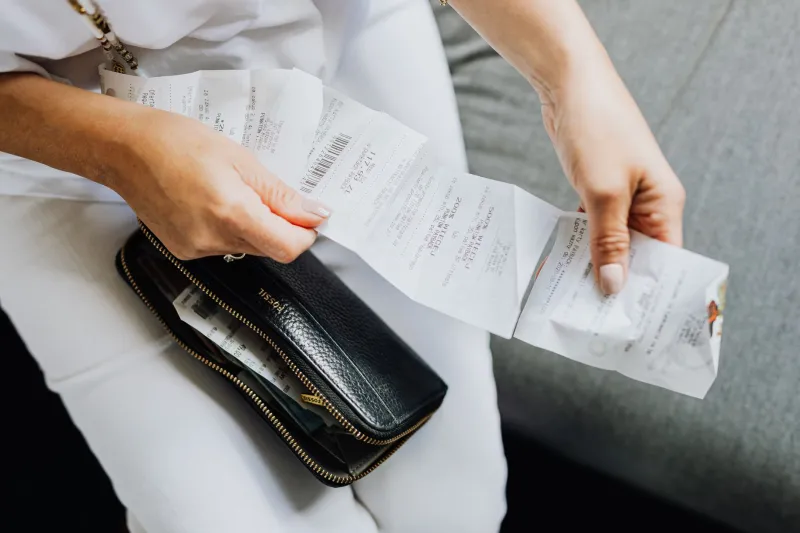
A person points the camera at an itemized receipt — a grocery run, a bachelorette weekend, a paycheck breakdown — and narrates the line items. The camera is unsteady. The numbers are the content.
Why it replays: people pause to read. Then they rewind to catch the item they missed, and the total they didn't believe. It's a puzzle with a punchline, and the puzzle rewards a second pass. There's a comparison instinct at work too — you're mentally stacking it against your own last Target run.
Takeaway: build it as a fixed template. Same framing, same categories, same closing line, new numbers each week. The template is what turns a one-off into a habit.
5. The Group-Chat Reenactment
One creator plays four people. Jump cuts, name labels, a slightly different posture for each friend. The plot is always some low-stakes disaster: the group chat planning a dinner, the group chat deciding who booked the Airbnb.
Why it replays: it's an ensemble show compressed into forty seconds. On first watch you're chasing the plot; on second watch you're catching the character work — the friend who types in all caps, the one who goes silent for six hours. Familiarity is the whole engine.
Takeaway: recurring characters are recurring audience. Give each one a verbal tic and a name and never change them. Within a month, viewers will quote them in your comments before you get to the punchline.
4. The 15-Second Career Confession
Talking head, no B-roll, one sentence that lands like a dropped plate. I got fired on a Tuesday and told my mom it was a layoff. I've been in the same job for eleven years and I still don't know what I do.
Why it replays: it's short enough to loop twice before the caption even registers. Most rewatches happen because the viewer read the text first and missed the delivery, so they run it back — and the second pass hits harder because they know where it's going.
Takeaway: front-load the confession into the first three seconds and don't explain it. If it works, make it a numbered series with a different confession each episode. Career anxiety is endlessly renewable material in the US right now.
3. The Tier List Ambush
Ranking things that should not be ranked. Bridesmaid dresses. Coworkers' lunch choices. Every apartment the creator has ever lived in. The format is argument bait dressed as a bit.
Why it replays: disagreement is sticky. Viewers watch once for the ranking, then again to confirm the placement that offended them. Half the replay value lives in the comments, where people re-litigate the S-tier in real time.
Takeaway: publish your rubric. The moment viewers understand the rules, they can argue with them — and an argument you can referee is a series.
2. The Two-Phone Reaction
One phone plays the creator's old post from 2019. The other phone films their face reacting to it. It's a self-roast with a built-in laugh track.
Why it replays: viewers scan the background screen. They're reading the old caption, checking the old hair, catching the joke they missed the first time because they were watching the reaction instead. Two focal points means two watches, minimum.
Takeaway: your archive is free content. Every creator has five years of cringe sitting in drafts. The series writes itself, and it doubles as a soft reboot of your back catalog.
1. The Numbered Series
Day 1 of learning to weld. Week 4 of the no-buy year. Attempt 12 at making my own sourdough. A counter, a deadline, and a visible middle.
Why it replays: this is the only format on the list that gets watched as a set. People find episode nine, then go backwards. They rewatch earlier episodes to measure how far the person has come — which means your old videos never stop working. The number does the psychological labor: it promises progress, and progress is the one thing a viewer will return for on purpose.
Takeaway: number everything. Keep the visual template identical. Announce the stakes in episode one and then let the counter run, even through the boring weeks. Especially through the boring weeks.
How to Build One Without Chasing a Spike
The pattern underneath all six is the same, and it has nothing to do with luck. A repeatable format has a fixed shape and variable content — the container stays, the filling changes. Viewers learn the rules fast, which is what makes a second watch satisfying instead of confusing.
So pick the shape before you pick the topic. Commit to a cadence you can survive in a busy month. And stop reading your view count on day one — check whether people finished, saved, and came back. Replay is quieter than virality, but it's the only number that compounds.