The Bio Link Is a Tiny Mall Now — Here’s What’s Actually Selling

The link in bio used to be a formality. One URL, maybe a newsletter signup, maybe a discount code that expired in 2024. In 2026, it is closer to a tiny mall. Creators are stacking digital templates, paid group chats, affiliate shelves, memberships, and small-batch merch into one page. The result is a storefront that feels less like a website and more like a corner shop run by someone whose taste you already trust.
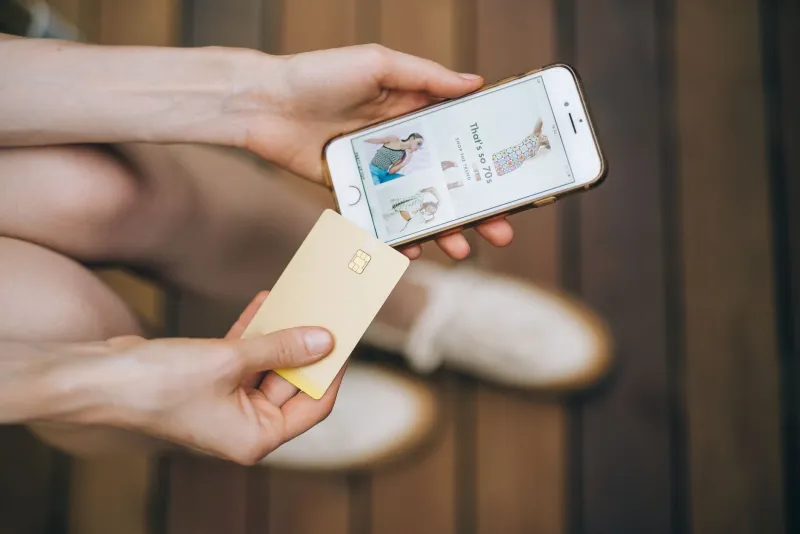
That shift is not just cosmetic. US audiences are buying from personal brands this way because the path is short: tap the link, see three or four clear options, pay with a saved card, and get back to scrolling. No new account. No weird checkout. No wondering whether the person behind the page is real.
Why a Link Feels Like a Store Aisle
A creator’s bio link works because it is curated. People are not buying a random preset pack from a stranger. They are buying the creator’s taste, compressed into a product. The link says: here are the things I actually use, make, or recommend. That is a stronger recommendation than a banner ad, and it is easier to act on than a 10-minute YouTube review.
The best bio malls feel like a small shelf, not a supermarket. Too many options create decision fatigue. Three to five clear items usually beat a grid of 20. The creator’s job is to act like a shopkeeper with a point of view, not a dropshipper with a link-cloaking habit.
What Converts in 2026
Templates and presets. Low price, instant delivery, impulse-friendly. Notion dashboards, CapCut templates, Lightroom presets, resume layouts, and budget spreadsheets still move because the buyer gets a finished thing in seconds.
Paid group chats and close-friend channels. Recurring revenue with high margin. People pay for access, accountability, and the feeling that they are in the room with the creator. The catch: the creator has to show up. A dead chat is a refund request waiting to happen.
Affiliate shelves. Good when the creator has actually used the product. Bad when the page looks like a clearance aisle for random gadgets. US audiences are more disclosure-literate now, so the recommendation has to feel genuine and the affiliate label has to be clear.
Memberships. These work best when the creator has a specific skill or niche: fitness plans, writing feedback, design critiques, cooking guides. Generic lifestyle memberships are harder to sustain because the value is fuzzy.
Small-batch merch. Slower, riskier, and inventory-heavy. It can still work, especially when the design is tied to an inside joke or a specific series. It is not the first thing a new creator should stack.
What Just Sits There
Random drop-shipped gadgets, PDFs that should be free, and a link tree with 15 competing offers. Also: products with no explanation, blurry mockups, and checkout pages that ask for too much information. The tiny mall only works when the shelves are edited.
The Stack That Works
A practical 2026 stack looks boring in a good way. One low-ticket digital product, one recurring offer, and one affiliate shelf. A clear email capture. A short line under each item explaining who it is for. Social proof that is specific, not a wall of screenshots. And a mobile-first page that loads before the buyer’s thumb gets tired.
Creators are also hiring part-time ops help to manage the back end: customer emails, refunds, affiliate updates, and tax paperwork. That is the unsexy part of the micro-mall, and it is where the next wave of creator businesses will separate itself from the hobbyists.
The Mall Needs a Landlord
The bio link is not magic. It is a lease on attention. If the creator clutters the space, the audience leaves. If the creator treats every square inch like an ad, the trust that made the link valuable starts to wear out. The winners in 2026 are the ones who keep the shelves small, the recommendations honest, and the checkout simple.
A bio link used to be a placeholder. Now it is a business card, a shop window, and a cash register in one. The creators who understand that are not just posting anymore. They are running a tiny mall — and US audiences are walking in.