The Cart They Didn’t Check Out: Anti-Hauls Are Becoming Gen Z’s Trust Signal
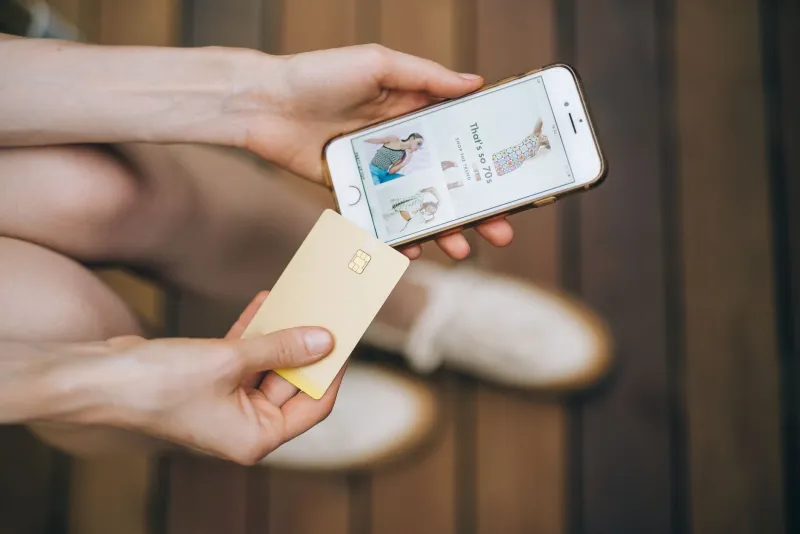
There is a specific kind of silence that hits after a creator says, “I almost bought this.” The camera stays close. The product is still in frame. Then comes the reason: the price per wear, the ingredient list, the fact that it would sit in a drawer next to three other versions of the same thing. In 2026, that pause is becoming one of the most valuable moments in online shopping content.
Welcome to the anti-haul: a video where the point is not what arrived in the mail, but what never made it to checkout. Creators are walking viewers through the items they talked themselves out of, the orders they returned, and the Target runs that ended with a full cart abandoned near the register. It is less “look what I got” and more “here is how I decided not to get it.”
The haul gets flipped
The traditional haul has always been a soft sales pitch with good lighting. Boxes open, tissue paper crinkles, and the creator narrates a fantasy version of your life with the product. The anti-haul keeps the same casual energy but changes the punchline. Instead of selling the item, the creator sells the decision. That shift matters because the audience is not just watching a product anymore. They are watching someone model restraint in real time.
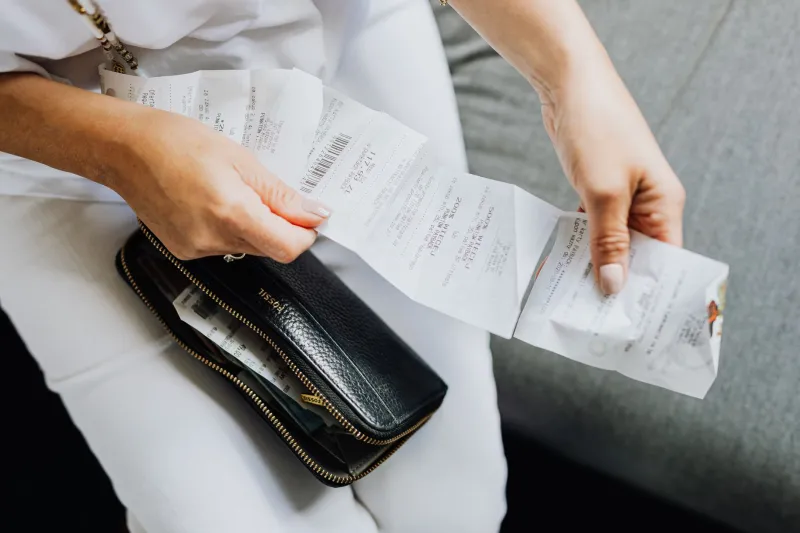
On TikTok and YouTube, the format shows up in many forms. Sometimes it is a “things I didn’t buy this month” list. Sometimes it is a return diary with receipts and screenshots. Sometimes it is a live commentary over a browser tab full of abandoned carts. The common thread is honesty about the moment before spending — the moment most shopping content skips entirely.
Why the no lands in 2026
Inflation-weary Gen Z and millennial viewers have grown up with haul culture, but they are also carrying rent, grocery bills, student loan payments, and the low-grade stress of watching prices move in the wrong direction. A video about a $60 candle is still escapism, but a video about why someone did not buy the $60 candle can feel like practical help. It meets the audience where they are: interested in style, curious about products, and tired of being nudged toward a purchase every time they open an app.
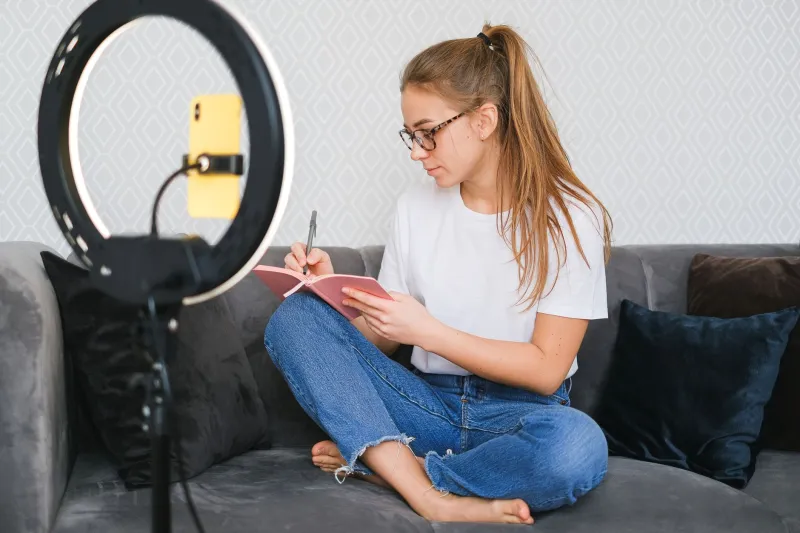
The anti-haul also fits the broader mood of creator culture right now. Ordinary apartments, day jobs, and budget spreads are not side notes anymore. They are the appeal. A creator who says “I wanted this, I waited, I skipped it” feels more like a friend in a group chat than a billboard with a ring light. That is a different kind of influence, and it travels fast.
Trust at checkout speed
A five-star review tells you a product worked for someone. An anti-haul tells you how someone thinks. That is why the format can build trust faster than a polished endorsement. Viewers get to see the creator’s priorities: quality over quantity, ingredients over packaging, cost per use over the thrill of a new arrival. Even when they disagree with the final call, they understand the reasoning.
There is also a social reward in the comments. People pile in with their own near-misses — the sneakers they left in the cart, the skincare they returned, the impulse buy they regret. The video becomes a permission slip to not spend, and the comment section becomes a support group for the chronically tempted. For a young audience that is skeptical of ads and fluent in spotting a script, that sense of shared decision-making is the product.
The brand problem
So what happens when a brand wants to be mentioned in a video about not spending money? It sounds like a lose-lose, but marketers are already testing the edges. Some are leaning into self-aware replies, joking along with creators who almost bought the product. Others are pitching themselves as the sensible choice: the one item worth the splurge, the replacement that lasts, the purchase that survives the anti-haul test. A few are sending products specifically for return-test content, betting that a fair shake in a skeptical video is worth more than a glossy unboxing.
The smartest brands are treating the anti-haul as research. Every item a creator resists is a data point about price sensitivity, packaging fatigue, or category confusion. If a creator says the formula was confusing or the sizing was unreliable, that is a customer-service memo disguised as entertainment. The brands that listen can adjust the pitch instead of demanding a spot in the cart.
What makes an anti-haul work
The good ones are specific. “I did not buy this” is not enough. Viewers want the why: the duplicate already at home, the shipping cost that killed the vibe, the reviews that mentioned the seam, the moment the creator realized they wanted the idea of the product more than the product itself. Receipts help. So does a little humor. So does admitting when the resistance was hard.
The format also works best when it is not smug. Anti-hauls land when they feel like a peek into someone’s budgeting brain, not a lecture from a person who has never made an impulse purchase. The creators who thrive are the ones who say “I almost cracked” and mean it.
The takeaway
The anti-haul is not anti-shopping. It is anti-mindless shopping, which is a much easier thing to get behind. In a feed full of urgency, it offers a rare pause. And for brands, that pause is not the end of the conversation. It is just the part where trust actually gets built.