Press Play on the Apology: Why Voice Notes Became Creator Culture’s Default Setting

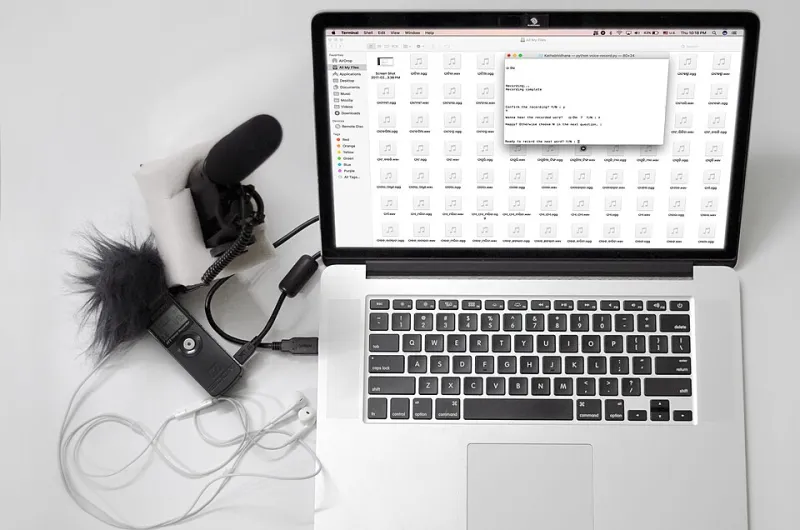
Photo by Photo by BandLab on Unsplash on Unsplash
On a Tuesday in November 2026, a creator with 2.1 million followers posted no statement, no black square, no caption essay. Just a voice note. Eighty-two seconds. No music. No jump cuts. The creator explained a delayed product drop, apologized for a vague teaser that had annoyed people, and promised a new date by the end of the week. By dinner, the comment section had shifted from complaints to jokes about how much better the whole thing felt than a polished paragraph.
That is the voice note’s real power in creator culture right now. It is not just a format. It is a tone. And in 2026, tone is doing a lot of the work that text used to do.
The Notes App Apology Has a Successor
For years, the screenshot-friendly statement was the default. Text felt official. It could be edited, approved, and posted in a clean grid. But text also invites line-by-line parsing. Every comma becomes evidence. Every missing phrase becomes a clue. A written apology can read like a legal filing even when it is not meant to.
Voice notes change the temperature. They carry breath, pauses, and the small correction where someone says the wrong word and fixes it. Audiences do not need the delivery to be perfect. They need it to feel like a person decided to say something out loud. That is why creators are reaching for audio for apologies, launch teasers, restock updates, and the vague but urgent “we need to talk” posts that used to be a paragraph and a link.
The format is not new. People have sent voice messages for years. What is new is the way creators are treating them as a primary channel rather than a casual extra. In 2026, a voice note can be the announcement. The caption just says where to find the link.
Why Audio Feels More Trustworthy
Part of it is timing. A voice note has seams. You can hear someone deciding to say something. You can hear them get quieter when they are embarrassed or speed up when they are excited. Text is editable in a way that makes it feel managed. Audio feels like it got away from the manager for a minute.
That does not mean voice notes are automatically honest. They are not. A creator can rehearse a voice note just as easily as they can draft a statement. But the audience’s read is different. Listeners tend to treat audio as closer to a conversation, and conversations are allowed to be messy. In a feed full of optimized captions and branded polish, a 60-second voice memo can feel like a seat at the table.
There is also the practical side. Voice notes are harder to quote out of context than a screenshot, even if they are not impossible to clip or transcribe. The vibe travels with the voice. A line that would look cold in text can land as nervous or sincere in audio. That matters for creators who are trying to explain a mistake without turning it into a content cycle.
The Launch Drop That Sounds Like a Secret
Apologies are only one use case. Voice notes are also becoming a launch tool. Instead of a graphic with a countdown, a creator records a short audio update: what the product is, why they made it, when it goes live, and what went wrong the last time. It sounds like insider information because it is delivered like one.
That intimacy is useful for drops that need explanation. A creator can say “I know the last restock was a mess” in a voice note and it does not read like a corporate apology. It reads like a friend catching you up. The link still does the selling. The voice note does the trust-building.
Brands are noticing. Some are asking creators for audio-first briefs or voice-note recaps after calls. Others are using short voice memos internally to give feedback on drafts because it is faster than a thread of comments. The smart ones are not trying to copy the creator’s casual tone. They are using audio for relationship maintenance, not for crisis communications. A brand voice note in the middle of a controversy can feel weirdly performative. A brand voice note saying “here is what we heard and what we are changing” can feel human.
The Catch: Audio Has Its Own Receipts
Voice notes are not a loophole. They can be recorded, clipped, transcribed, and stitched into a reaction video. Tone can be misread. A shaky apology can come across as insincere. A casual launch update can sound unprepared. The format rewards specificity. If you are apologizing, say what happened and what changes. If you are launching, say what the thing is and when it drops. The intimacy is not a substitute for information.
Accessibility matters too. Creators who post voice notes without transcripts are leaving people out. The best versions in 2026 come with captions or a short text summary. That sounds less romantic than the idea of pure audio, but it is the difference between a format that includes people and one that just feels exclusive.
What Brands Are Learning
Brands are learning to slow down. A 45-second voice note cannot be scanned by legal as quickly as a paragraph, so teams need transcripts and clear approval processes. Agencies are learning that a voice memo can replace a status update but not a contract. Creators are learning that a voice note is not a magic eraser. It buys attention. It does not buy forgiveness.
The creators who use audio well treat it as a conversation with structure. They open with the point. They explain the context. They say what happens next. They do not ramble for three minutes and call it authenticity. The format is intimate, but it is still communication.
That is why the voice note is sticking around. It gives creators a way to sound like themselves in a feed that constantly pushes them to sound like a brand. In 2026, the press release voice is out. The press play voice is in.