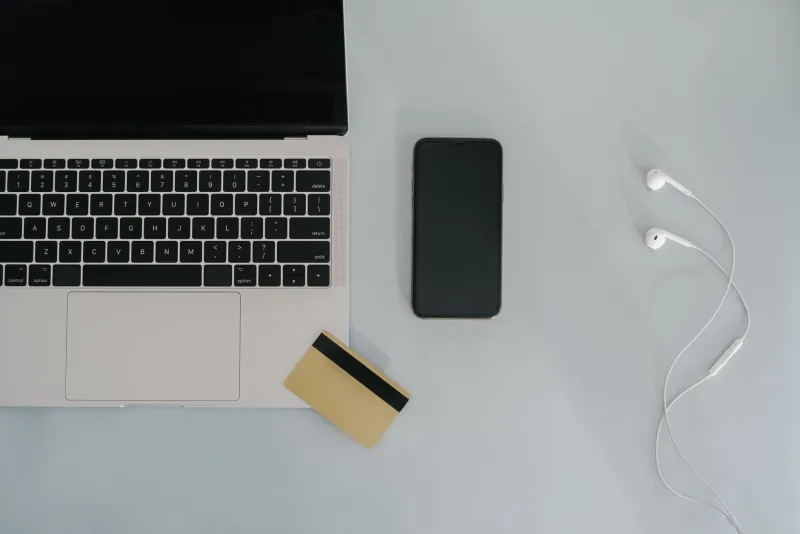
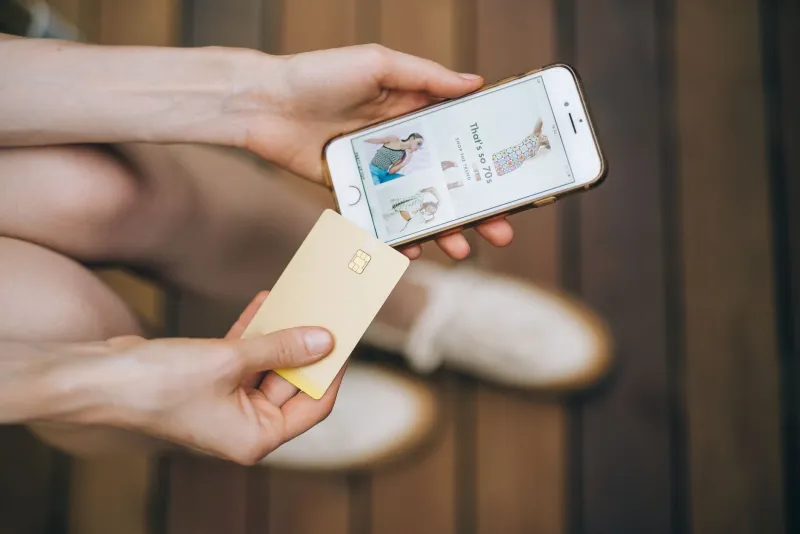
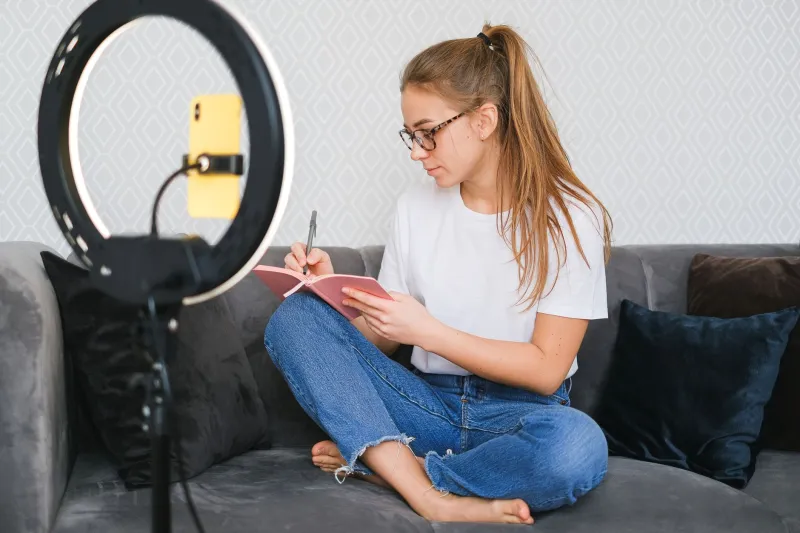
The Phone in the Drawer: Why Creators Are Buying a Second Device Just for the Feed
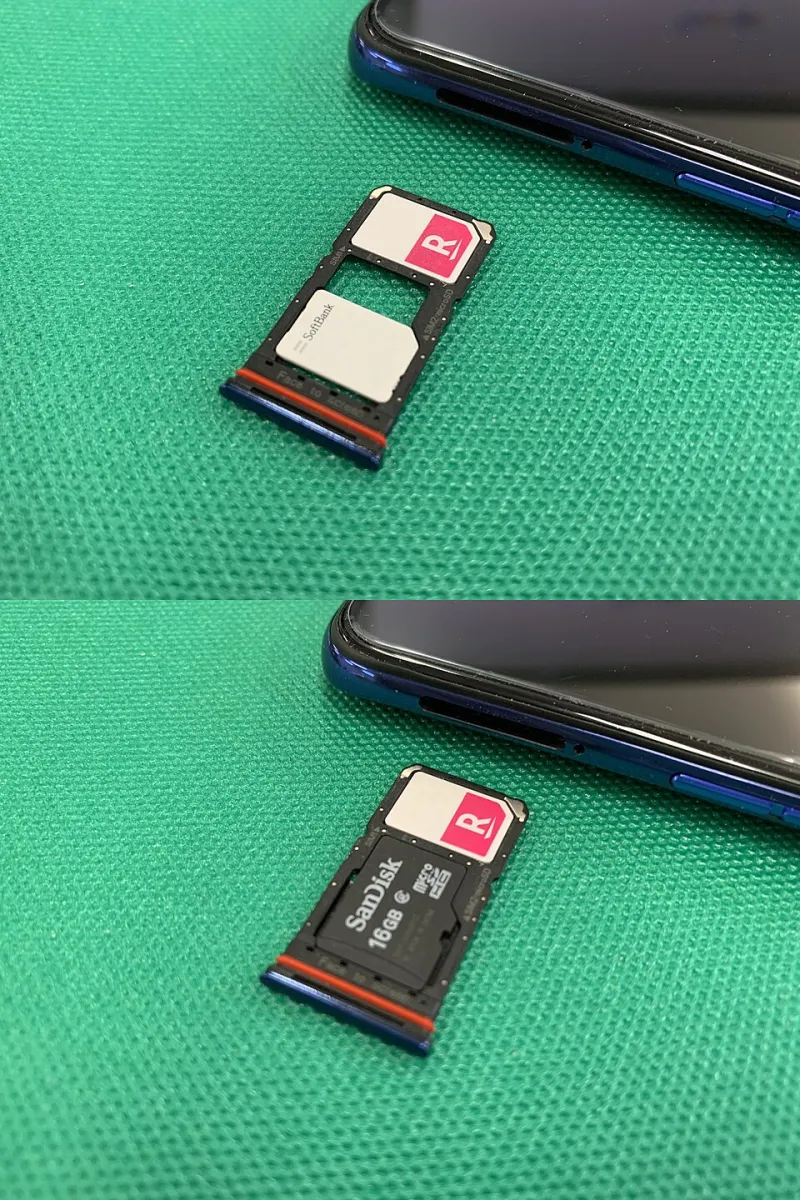
Photo: Project kei, CC BY-SA 4.0, via Wikimedia Commons
Somewhere around the middle of this decade, the second phone stopped being a red flag and became a piece of office equipment.
You've seen it without knowing. The creator filming a get-ready-with-me who picks up a device that looks suspiciously bare — no case stickers, no cracked corner, no notifications stacking up the screen. The one whose "quick life update" is shot on a phone that seems to exist solely for that. The one who reads a DM on camera and the screen belongs to a stranger: clean home screen, three apps, nothing personal.
That's the decoy device economy. It's small, mostly unremarked on, and quietly becoming one of the clearest status markers in creator culture.
What the second phone actually does
Ask ten creators why they bought one and you'll get roughly five answers.
The first is separation. Work stays on the work phone: brand emails, DM inboxes, the group chat with a manager who texts at 6 a.m. Pacific. The personal phone stays personal — banking, family, the thread that has nothing to do with any of it.
The second is safety. If your face is your business, your main device is a liability. A second phone means a stranger who gets your number gets one that isn't tied to your address, your accounts, or the two-factor codes that unlock your life. It's not paranoia, it's basic hygiene — and it's why a lot of creators now treat their primary number like a home address they don't hand out.
The third is content. Shooting on a phone that isn't full of notifications means no embarrassing banner rolling across a screen recording, and it means a proof-of-life story — the unedited post that says you're fine, you're home, you didn't disappear — can go up from a device with nothing on it worth screenshotting.
The fourth is the boring one. Battery and bandwidth. Two phones means one can be a camera and the other can be a phone.
The fifth, the one nobody says in interviews, is optics. A second device lets a creator look unpolished and prepared at once. The feed stays messy. The infrastructure behind it doesn't.
The math on a work tool
Nobody's buying a new flagship for this. The typical setup is a refurbished two- or three-generation-old iPhone in the $250 to $450 range, paired with a prepaid plan running $15 to $30 a month. Add a cheap tripod mount and a second charging cable and you're under $600 for year one — less than most creators spend on one lighting rig.
The hidden cost is maintenance. Two devices means two backups, two sets of passwords, two places a video file can go to die. Creators who do this well keep the work phone almost empty on purpose: camera roll, one editing app, one inbox. The moment it fills up with personal clutter, the whole point evaporates and you've bought a second phone just to be annoyed by it.
Why "protected" reads as trustworthy
Here's the counterintuitive part. Audiences trust a feed that looks less polished but more protected.
It's not that viewers are running a security audit on your home screen. It's that the second phone changes what gets posted. When you're not worried about a stray notification, you film more casually. When you're not worried about a stranger having your number, you're less cagey on camera. When the work phone is genuinely a work phone, the "this is my actual life" post feels less like a performance of access and more like a decision to share.
Creators who've made the shift tend to describe it the same way: it gave them permission to be looser, because the stakes came down. The audience reads that looseness as honesty, even if they can't name why the vibe changed.
Where it goes wrong
The decoy device has a way of becoming a decoy for the creator, too. There's a version of phone hygiene that curdles into performance — the second phone as a prop, the "I only check DMs twice a day" post filmed on the very device that's buzzing. Audiences are not stupid about that.
The other failure mode is fragmentation. Split your life across two phones badly and you'll miss a brand email, double-book a shoot, or lose the one file you needed. A second phone is an organizational tool, and like any organizational tool it punishes people who don't actually want to be organized.
What it costs to skip
Not everyone needs two phones. If you post twice a week and your inbox is four people, you don't. But if your number is public, your DMs are a client channel, and your home address is not something you want attached to either — the calculus gets simple fast.
The strangest outcome is that the burner, once the object of suspicion, now signals that someone has thought seriously about their own boundaries. The phone in the drawer isn't hiding anything. It's the one doing the protecting.